
AI, Digitalization and Cybersecurity: The New Priorities for Singapore SMEs
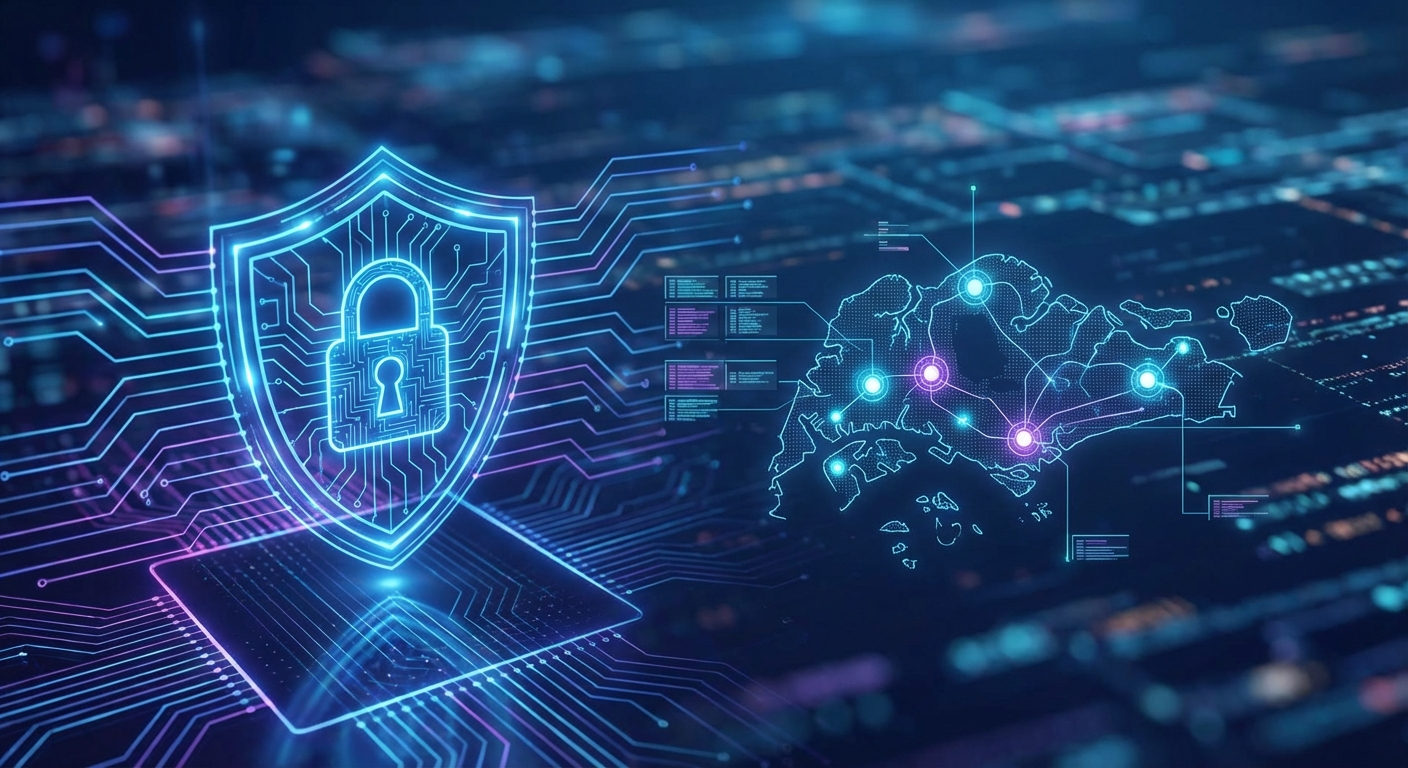
Artificial intelligence (AI) and digitalization are changing the way businesses operate. For Singapore’s small and medium-sized enterprises (SMEs), technologies such as cloud applications, Microsoft 365, Google workspace, AI tools, digital payments, e-commerce platforms and automated business systems are becoming increasingly important for improving productivity and staying competitive.
For SMEs, the challenge is no longer simply whether to adopt digital technology. The bigger question is how to adopt and use technology securely.
With AI and digitalization becoming increasingly important to Singapore businesses, cybersecurity should be treated as an integral part of digital transformation rather than something addressed only after a security incident.
AI Is Changing How SMEs Work
AI is quickly moving beyond being a technology used primarily by large enterprises. SMEs are increasingly exploring AI to improve everyday business activities and reduce time spent on repetitive tasks.
Businesses can use AI for content creation, customer service, data analysis, document processing, marketing, research, administrative work, and other operational activities.
Employees may use publicly available AI tools without fully understanding how business information is handled. Sensitive information, customer data, financial details, internal documents, or confidential business information could potentially be exposed if employees are not given clear guidelines.
This is why businesses should consider establishing basic AI usage policies. Employees should understand what information can and cannot be entered into AI tools, which AI applications are approved for business use and who is responsible for reviewing AI-generated content.
AI can provide significant business value, but it should be adopted with the same consideration given to other business technologies: What information is involved? Who has access? How is the information protected?
Digitalization Creates a Larger Cybersecurity Landscape
Digital transformation can make businesses more efficient, but it can also increase the number of systems that need to be secured.
A typical SME may rely on Microsoft 365 for email and document collaboration, cloud applications for accounting and CRM, online banking and payment platforms, websites, mobile devices, laptops, Wi-Fi networks and third-party applications.
Each system may have its own user accounts, passwords, permissions, and security settings.
This means that a weakness in one area can potentially create risks elsewhere.
For example, a compromised employee email account could be used to impersonate the employee, access business information, or send fraudulent payment instructions. A stolen password could provide unauthorized access to cloud applications. An unpatched device could become an entry point into the organization’s network.
As SMEs become more digitally connected, cybersecurity needs to keep pace with that growth.
The Cybersecurity Risks SMEs Should Watch
1. Phishing and Business Email Compromise
Phishing remains one of the most common ways attackers attempt to gain access to business accounts and information.
A fraudulent email may appear to come from a supplier, customer, financial institution, or even a senior employee. Attackers may attempt to persuade employees to click on a malicious link, disclose login information, or make an urgent payment.
AI is also making it easier for attackers to create convincing and personalized messages.
SMEs can reduce this risk through multi-factor authentication (MFA), using email security tools like NuEmailSecurity to add extra layers of defense, employee awareness training, and clear procedures for verifying unusual payment or account requests.
2. Ransomware and Data Loss
Ransomware can disrupt business operations by preventing organizations from accessing their systems or data.
For an SME, the impact can extend beyond the technical problem. Business operations may be interrupted; employees may be unable to access essential files, and customer services may be affected.
Reliable and regularly tested backups are therefore an important part of cyber resilience.
Businesses should know what data is critical, where it is stored, and how quickly it can be restored if systems become unavailable.
For a more proactive approach to protect your business from ransomware, getting a yearly NuMonitor subscription for your devices is a good investment. This tool provides advanced remote monitoring and patch management to protect your business with real-time ransomware detection.
3. Weak or Compromised Accounts
User accounts are often an important gateway to business systems.
Using weak passwords, reusing passwords across multiple services or failing to remove former employees’ access can create unnecessary risks.
SMEs should regularly review user accounts and permissions, implement MFA where possible, and ensure that employees only receive access to the information and systems they need.
When employees leave the organization, their accounts and access rights should also be removed promptly.
4. Outdated Systems and Unpatched Devices
Cybersecurity is not only about protecting against sophisticated attacks.
Outdated software, unsupported systems and devices that have not received security updates can create vulnerabilities that attackers may exploit. Regular patch management should therefore be part of an SME’s basic IT and cybersecurity practices.
Businesses should maintain an inventory of important devices and systems and establish a process for applying security updates in a timely manner.
5. Unsecured Cloud Applications
Cloud services have made enterprise-level capabilities more accessible to SMEs. However, moving systems to the cloud does not automatically make them secure.
Security configurations, account permissions, authentication methods and data-sharing settings still need to be managed.
For example, businesses using Microsoft 365 should consider whether MFA is enabled, whether administrator accounts are properly protected, whether access permissions are appropriate, and whether important business data is adequately backed up.
Cloud security should be viewed as a shared responsibility between the service provider and the organization using the service.
6. Third-Party and Supply-Chain Risks
SMEs rarely operate in isolation.
They may rely on IT service providers, software vendors, accountants, marketing platforms, payment providers, cloud services, and other third parties.
While these services help businesses operate efficiently, they can also introduce additional security considerations.
SMEs should understand what information third parties can access, what security measures they have in place, and what happens if a service becomes unavailable or experiences a security incident.
Cybersecurity Should Be Part of Digital Transformation
One of the most important shifts for SMEs is to stop viewing cybersecurity as a separate IT issue.
When a business adopts a new digital solution, cybersecurity should be considered part of the decision-making process.
Before introducing a new application or AI tool, businesses can ask:
- What business information will be stored or processed?
- Who will have access to it?
- Does the solution support MFA?
- How is sensitive information protected?
- What happens if the service becomes unavailable?
- Does the provider have appropriate security measures?
- Can access be removed when an employee leaves?
- How will data be backed up or recovered?
These questions do not necessarily require a large cybersecurity team to answer. They can become part of a practical technology procurement and implementation process.
Cybersecurity Is an Ongoing Process
Cybersecurity is not something an SME can implement once and then forget.
Technology is changing. Employees join and leave. New applications have been introduced. Businesses expand into new markets. Attack techniques evolve.
This means cybersecurity needs to be reviewed regularly.
A cybersecurity health assessment can help businesses identify gaps and prioritize improvements according to their actual business environment.
Rather than attempting to implement every available security technology, SMEs can focus on understanding their most important assets, identifying their biggest risks, and addressing the areas that could have the greatest impact on business operations.
This risk-based approach can make cybersecurity more manageable and practical for growing businesses.
Where AI, Digitalization and Cybersecurity Come Together
AI and digitalization present significant opportunities for Singapore SMEs.
But it’s not simply about adopting more technology. It is about adopting technology responsibly, protecting business information and ensuring that organizations can continue operating when something goes wrong.
For businesses looking to learn more about cybersecurity and digitalization, Nucleo Consulting will be participating in two upcoming events in October 2026.
CSA Cyber Plus Clinic — 9 October 2026 at SBF Centre
The clinic provides an opportunity for businesses to learn more about cybersecurity and practical measures they can take to strengthen their cyber resilience.
We will host the event to share key insights from VivaTech 2026 in Paris and translating the global conversations around AI and cybersecurity into what matters for Singapore SMEs. We will guide and engage face to face with businesses leaders and discuss important cybersecurity considerations, including how SMEs can identify security gaps and determine appropriate next steps. Be sure to reserve your seats for the registration closes.
IMDA SMEs Go Digital Day — 13 October 2026 at Suntec City
Nucleo will be one of the exhibitors at this year’s SMEs Go Digital Day.
The event brings together SMEs and technology providers to explore digital solutions, AI applications, and opportunities for business transformation.
As SMEs explore new technologies and digital solutions, cybersecurity remains an important part of the conversation.
Digital adoption should not happen in isolation. Businesses should consider how new technologies will affect their data, systems, employees, and overall risk exposure. Register today and get your free passes. On the day of the event, visit the Nucleo Consulting’s booth to speak with our team, explore demos of the latest cybersecurity solutions, and get a free Dark Web Scan to check whether your business credentials may have been exposed online.
Take the opportunity to learn, ask questions, and discover practical ways to strengthen your organization’s cybersecurity.
Wrap Up! Moving Towards Secure Digital Growth
For SMEs, AI and digitalization offer opportunities to improve productivity, streamline operations and create new ways of serving customers.
But with greater digital adoption comes greater responsibility for protecting business systems and information. You should take a practical and proactive approach to cybersecurity.
Take the first step towards a more secure business by joining the CSA Cyber Plus Clinic and IMDA SME Go-Digital Day. Get practical guidance, understand where your cybersecurity gaps may lie, and explore solutions that can support your business’s digital resilience.